How I stay fully booked as a Graphic Designer
It’s frustrating when you’ve been working day and night on your design portfolio and you know your work is good, but you haven’t been able to book any clients. Trust me I’ve been there, and I know it sucks. I’ve owned my graphic design business for about four years now, and it took me about six months to book my first client. Was it scary? Absolutely. Did I have any idea what I was doing? Absolutely not. This is a step-by-step breakdown of everything I did to start booking clients consistently. Now I’m holding your hand and guiding you through how to do it, too. I also want to mention that this is not a ChatGPT blog post (gross) about how to start getting clients. This is everything I personally did, and it’s what worked for me. I want to be as authentic as possible with you all, so I truly hope this is as helpful for you as it was for me.
01/ Building your portfolio
Before clients buy from you, they want to see what they’re buying. For example, imagine you’re online shopping for a new dress, but the website has no photos of it. Are you going to buy it? Probably not. Your portfolio works the same way. You can’t expect to get clients if they have no idea what they’re investing their money in. For this part of the process, you’ll need some experience with graphic design. If you don’t have any, take some time to learn design and you can always come back to this blog. This is where you’ll start building your portfolio. There are a lot of misconceptions about portfolios. A lot of people think you need a separate online portfolio for customers to look at. While that’s always a plus, it’s not strictly necessary. I’ve been in the design field for a while now, and social media is one of the best ways to showcase your projects. The great thing about using social media is that you can attract different types of clients from different platforms.
What platforms can you use to showcase your portfolio?
Instagram — Great for its grid feature, so people can quickly look through your work and decide whether they want to work with you. It’s also ideal for clients who want to browse fast. Think Amazon: quick and easy, and the platform is extremely user-friendly.
LinkedIn — Amazing for showcasing your work to people who are serious and professional. Instagram has a diverse audience, while LinkedIn focuses more on people who are looking to hire (and get hired), so it’s perfect for building connections and booking future projects. It doesn’t have the same grid feature as Instagram, but people on LinkedIn tend to stay on your profile longer and read through your posts which often means they’ll look through your entire profile if they like your work.
Threads — The most slept-on platform. If you don’t know about Threads, it’s Instagram’s new “Twitter-like” app, but (in my opinion) a million times better. While Threads doesn’t have the grid feature either, it’s still an amazing platform to help your work get seen by new audiences. Threads has a huge reach, and the good thing is that people who don’t even follow you can come across your work quickly. You can share pictures of your design work, make easy connections, and just like on LinkedIn if people like your work, they’ll scroll through your profile. Threads gives you a chance not only to showcase your work, but to show future clients your personality as well, which is super important.
Pinterest — Another platform that’s extremely overlooked. Pinterest is used for inspiration, which means people are literally on the app to look at work like yours. The amazing thing about this is that people who don’t follow you can still come across your work and hire you. I love Pinterest because you can post your work and make it so your future clients can click the post and be linked to your website or other profiles. Pinterest also has a grid-style layout, so when people click on your profile, they can see all your work.
TikTok — This platform is the platform right now, which is why it’s on this list. Let’s be honest: we’re in a time where people’s attention spans are super short. They want info fast, they don’t want to read, and they want to doomscroll which is why TikTok is one of the best platforms to share your work. You have about three seconds to make it interesting, and then people will watch your video all the way through. Rather than only showing the final result, you can show the process it took to get there. This is great for building trust with your clients.
I don’t have clients how do I build a portfolio?
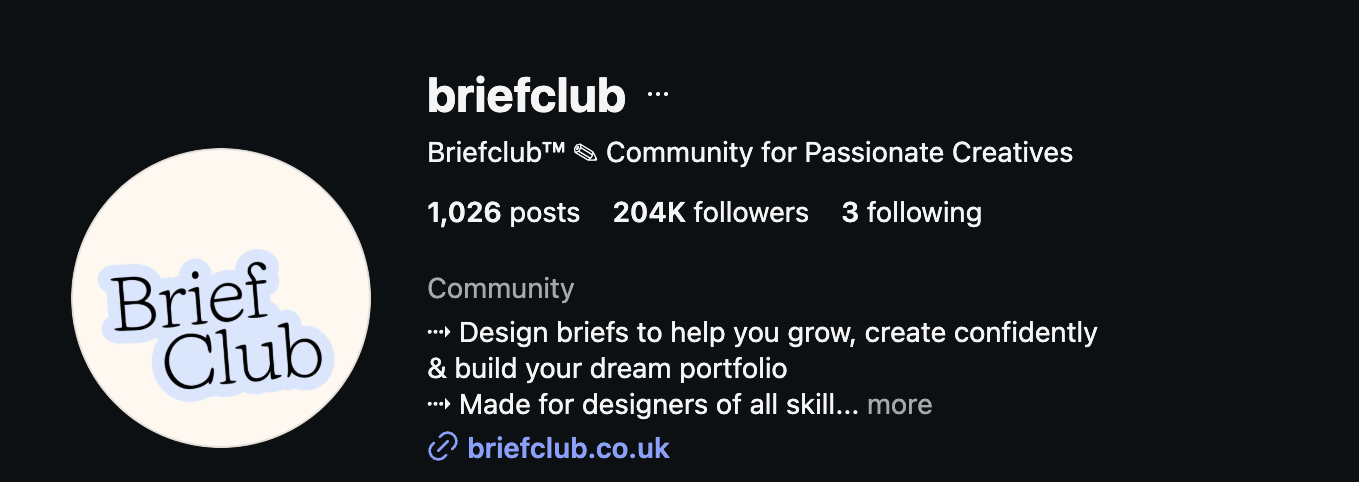
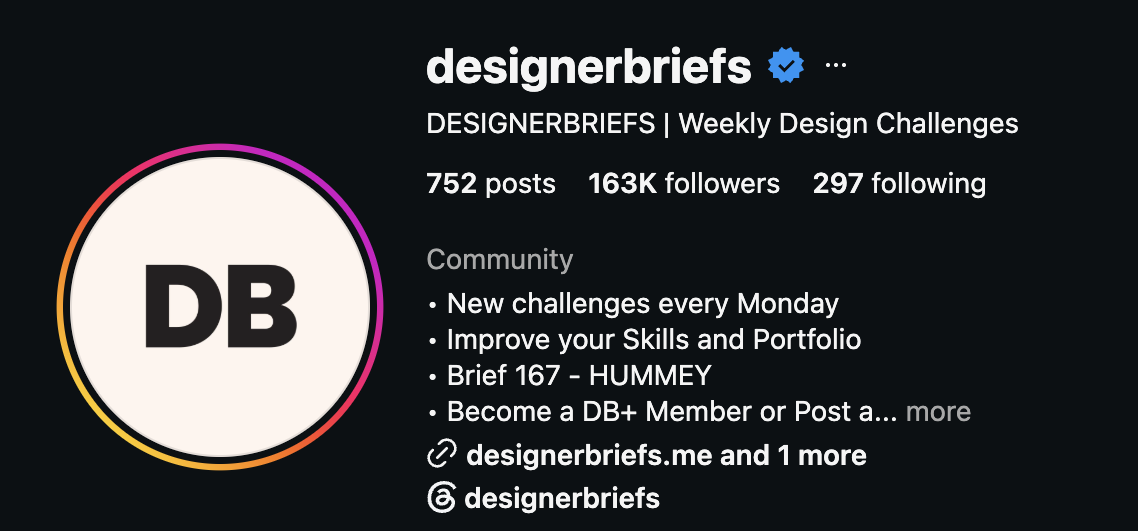
While your portfolio is meant to show your work, it’s also meant to show you. People want to work with people. Make sure you’re showing your personality, how you made your work, your journey, and your clients’ feedback. I know you’re probably thinking, “Well, how can I create a portfolio when I haven’t booked any clients?” The answer is simple: you’re going to create briefs. What are briefs? They’re fake design project prompts that you’ll use to create projects. Most of the time, you can create a fake prompt on your own. For example: “Create a logo for a cozy coffee shop company.” The cool thing is that there are Instagram pages dedicated to sharing these prompts so you can participate. They post a prompt, you follow it by creating what they ask, and the winner gets posted on their account. This can help you get new clients and connect with the graphic design community. Here are some accounts I followed when I first started to help me create those fake projects:
02/ Building your social media presence
We’re living in the age of social media, so yes you have to be active on social media.
A lot of graphic designers work online and don’t have storefronts, which means 80–90% of your income will be made through online platforms like the ones I mentioned in the section above. So yeah…the way you look online is super important. Here’s everything you’ll want to do.
Yes, your bio matters
Create your social media account and make sure you have a clear, clean bio. This is going to set the tone for your page. Honestly, it’s a 50/50 chance that someone will read it, but if they do, you want to make sure you include all of your important information.
Some info you might want to include (if you’re trying to book clients) is:
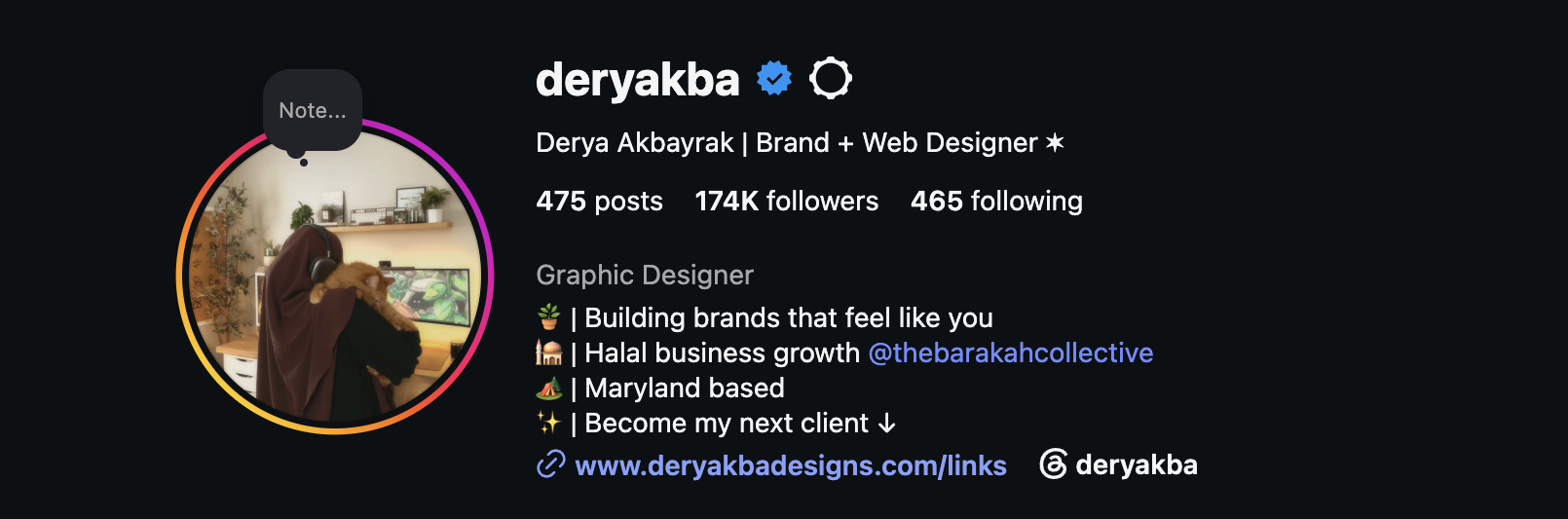
→ Make sure to use your creator title. You know the gray little label on everyone’s Instagram page that tells you what they do? Make sure you’re using that. It’s going to put you in a category based on whatever you select, so people can easily find your page.
→ You could add where you’re based. I personally like to do this because I get a lot of local clients who want to work with me because I live in the same area as them. Locals love supporting locals, and this is a great way to build connections with your community.
→ Tell people how to contact you. You’d be surprised how many messages you’ll get from people asking how they should contact you. Maybe you want them to reach you via email, direct message, or phone.
→ Add a little tagline about what you provide for your customers. Sometimes clients know what you do, but they need a little push as to why they should invest this is where you give them that “why.”
After that, your bio could look a little something like this. I’ve attached my personal bio (this is the one that’s worked best for me).
Your social media feed style
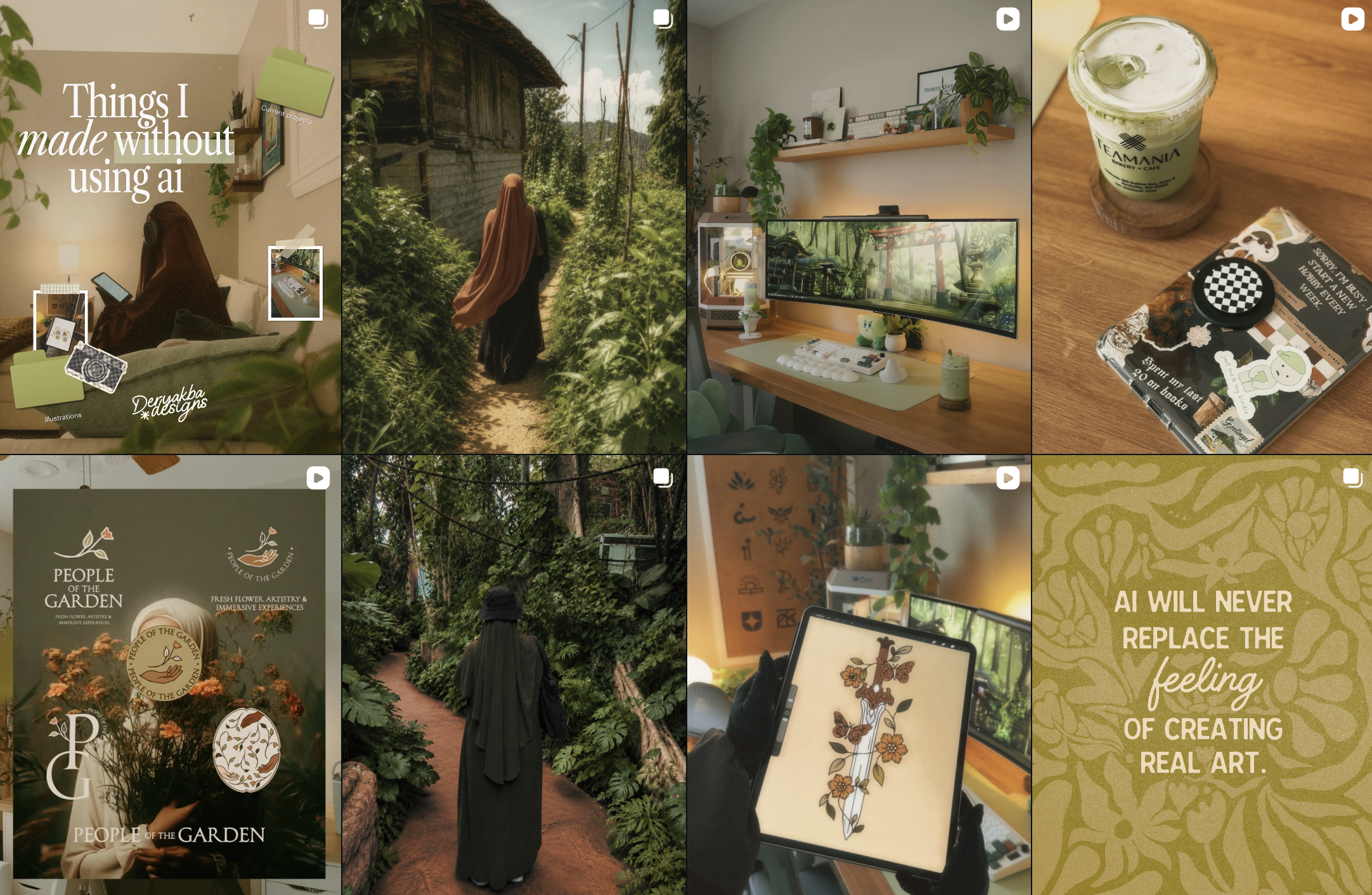
Finding your Instagram “aesthetic” can be a bit difficult. Not literally, but sometimes it can take time to find the style that fits you. A lot of times, we’ll find ourselves mimicking someone else’s style that doesn’t actually represent us because we “like it.” Then, months later, we look at our Instagram and completely hate it. Finding a style that fits you is important because clients are going to work with you based on your style. Just as an example, I work with a lot of clients who want their brand to feel “cozy” and “handmade,” and that’s because that style represents what I like and what I stand for. The style you choose is going to speak for you. Truthfully, an aesthetic Instagram isn’t going to happen overnight, but gradually you’ll start to build it. So don’t put too much pressure on yourself to make everything perfect.
Start with a couple of colors you like, then slowly start building your Instagram. You’ll realize you like some colors more than others, and that’s okay keep using them. Over time, you can shift your Instagram toward something that represents you. I personally like to pick 3–4 colors I feel represent me the most and include 1–2 of those colors in my designs and pictures every time. You can rotate the colors and use colors outside the ones you picked, but make sure you include at least two colors from your chosen palette. Whether we like to admit it or not, when clients see a clean feed, it gives them the impression that you know exactly what you’re doing. Clients will hire you based on how your Instagram looks and that’s a fact. Keep your Instagram the way you’d keep your house: clean.
Your captions
Obviously, we know most of these platforms are photo-first platforms, which means we can’t just type out a status and post whenever we want. We have to use captions when we post.
Sure, sometimes we get lazy and write one sentence (maybe with a couple of emojis) and call it a day, but not anymore. You’re going to start writing at least 4–5 sentences when you post.
Captions help you connect with your clients, and most of the time, they will read them. It’s a way of speaking to your audience without directly messaging them.
Here’s how you can use your captions:
→ Let people know the type of project you’re working on and why you like it so much.
→ Tell your audience a little bit about yourself, so they know who they could possibly be working with in the future.
→ Share motivation for other business owners or clients who are looking to upscale their business.
Captions are such a great way to show your clients you know exactly what you’re doing. It’s the voice behind your projects. Not only that, but it’s also a way to get people to comment on your posts and the more comments you get, the more your posts get pushed to the Explore page, meaning more people will see them. Are you starting to see the pattern here? Everything is low-key connected you just have to put in the work.
Record short stories
Yeah, I know this section is pretty long but all of these things really help, so you better be taking notes.
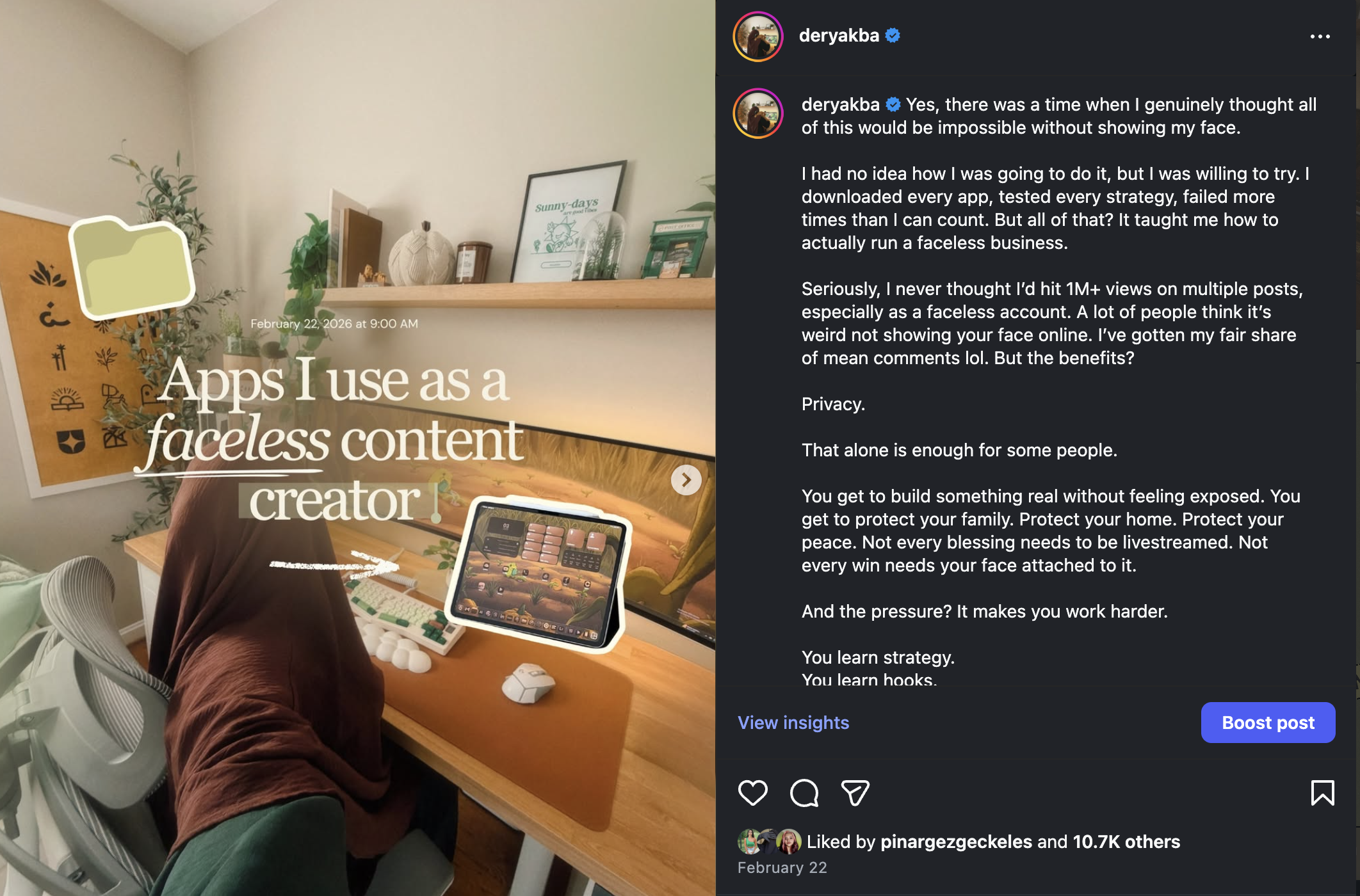
As most of you know, Facebook and Instagram have Stories, and they’re a perfect way to show people what’s going on behind the scenes. I see a lot of people post on Instagram and then log off, but that’s not how you stay connected. I’m not saying you have to be on Instagram 24/7, but show people there’s more to you than just design. As I said earlier, people want to work with real people so show a little bit of your personality.
Imagine you record a video of you playing tennis and you post it on your Story. Someone replies and starts talking to you about how they also love tennis. That person will most likely remember that conversation and you know what else they’ll remember? The fact that you’re a graphic designer and can help them create a logo when they’re ready to start their business.Yes, it works just like that. People always want results now, now, now but results take time. It’s all about connection, because the people you have conversations with will almost always come back and ask for your services. And because you have a couple of things in common (that they saw on your Story), they’ll want to work with you even more because they feel close to you.
Aside from showing your personality, you can also use Stories to show a lot of behind-the-scenes work. Clients know you’re the one creating the work, but it’s nice for them to see how much effort actually goes into it. This helps them value you more as a designer while also building trust. I’ve noticed that as AI has become more common, a lot of clients are hesitant to invest in designers because they simply don’t trust them. Showing behind the scenes can help avoid that.
Avoid only graphic design posts
Yes, social media acts as your portfolio but that doesn’t mean you should only post your graphic design work. Over the years, I’ve found that designers who post both about their personal lives and their design work get more clients than designers who only post design-related work. This ties back to the fact that people simply want to know more about you. Think about it: there are people who follow you on social media who don’t personally know you, but based on what they’ve seen online, they’ve already made certain connections with you.
I sound like a broken record, but getting clients is all about making connections.Your work is important, but it’s not the only thing that matters. When you come across someone’s profile, the work is interesting but a person’s personality is even more interesting.As artists, we look at art with a respectful eye because we understand the process. For those who aren’t creative, it can be harder to understand (and be interested). So to balance that out, post about yourself as well as your design work.
Personally, I like to make about 80% of my posts about graphic design and 20% about my life.I used to post 100% graphic design work and my whole feed was just illustrations. I kept asking myself why people didn’t want to work with me even though I felt confident in my work, and it was because they literally had no idea who they were going to be working with.Once I started posting more about who I was my interests, behind the scenes, and snippets of my life I noticed a significant boost in sales. You’re not Amazon you’re a freelancer. You’re going to be working one-on-one with these people. It’s not a transaction where people click “buy now” and magically have your product in their hands. Allow people to get to know you and build a relationship. You never know what the future will hold with the relationships you build with future clients and it also makes working together later much more seamless.
03/ Building local connections
While many of us build our connections online, it's important to make those same connections in person. I was always under the impression that local connection didn't really matter as much, because my portfolio is going to be online, so thats where people would show up the most. Before I became a graphic designer, I was a photographer so all of my work was in person which means I already had alot of connections and it taught me alot about personal real-time connections.
Why it's important
There are so many ways to many connections in-person and you need to start taking advantage of it. You walk into a coffee shop and you're talking to a barista, thats your chance to get to learn their name, talk to them about how their day is going, and build a connection. Yes it may be short-lived, but the next time you go into that coffee shop they'll remember your name and you'll most likey start talking about other topics. A main question that is always asked when getting to know someone is "so what do you do for a living" and that is where you're going to tell them what you do. Now I'm not telling you to sell yourself, thats not what we're focusing on. We're focusing on building a REAL connection. You don't want your sole purpose to be selling yourself when talking to someone. People will clock that and it will ruin your entire relationship. I'm sure many of you have gotten "cold emails" and if you haven't it's basically when someone emails you for the first time, introduces themselves, and also markets themself in that same email. It comes off insincere and people will most likely delete it. That is the same effect you'd give if you tried to sell yourself in person immediately after having a conversation.
If the first conversation naturally flows to what you do for work then of course let that happen, but if it doesn't then don't push it. Your goal is to be genuine and again build a small connection. So I know what your thinking, what does this conversation have to do with my business? It's not like I'm making a sale right then and there. The purpose of the conversation is not to make a sale right then and there, it's to have that person remember you and come back to you when they're ready for their services. Trust me when I tell you I've met people at places as simple as supermarkets, had one conversation with them, gave them my social media, and months later they messaged me because they needed a logo and remembered that I was a graphic designer that they met in the supermarket. It's that simple.
While obviously everyones goal is to make money and survive, you also want this to be about people, about real human interaction. Building connections is beautiful. Getting to meet people all around the world is beautiful. And this is not only about your business, but about them too. Maybe you both have something you can offer each other. It could be friendship, it could be a business transaction, it could be a heart-felt conversation with a stranger. You want people to remember you, and this is exactly what that is.
Where can I make connections
There are alot of places where you can make connections. Billions of people on this earth and alot of them are probably in your city. I personally like to start local. I find it's the easiest way to build connections and make clients. One of the BEST places to make connections is local farmers markets or city markets in general. If you don't know what local markets are it's when your city sets up a specific spot for small and large business owners to come together and sell their products. Most of the time it's for people who don't have a store front and sell their products online. This gives them a chance to set up a mini little shop for people to come and see their work.
The reason why farmers markets are so great is because you can attend as a business owner who wants to sell your products, or you can attend as the person buying, but everyone is there for one purpose, transaction. This means you can talk about your business all you want and build those connections quicker than you can any other place. The nice this about it is people understand you more because they are business owners themselves. A business owners are more likely to buy from other business owners rather than spending their money and huge corporations. And trust me when I tell you ALOT of these businesses need design work and they will pay for it because they're serious about growing their business. Not only is this a business owner support business owner type of transaction, but people also like to support those in their own city. They love buying local because it has a bigger meaning and they're more likely to trust you rather than someone on the outside. Again broken record here, but all about the connection. They relate to you because you live in the same city as them and it gives them a sense of peace.
Another great place to build connections is networking events. While these events are a little bit more on the serious side, they're literally made and planned one reason: Making connections. Networking events are an amazing way to meet other business owners who are either on the same level as you or are in a even higher place than you (which theres nothing wrong with btw) in the business world you're going to want to learn from people who have more experience than you so that you as well can grow your own business. Most of these events are also local just like those markets, but as I said they're a bit more on the professional side of things which means you want to dress nicer, and carry yourself with a bit more confidence. I wont lie to you this is not everyones scene. Just as an example I feel like the scene really isn't for me just because of how I carry myself and my business. My business is more personal, warm, and inviting, so I like attending farmers markets more than I like attending networking events, but thats not to say it isn't for you. Everyones cup of tea is different you just have to decide what place works for you.
Now yes, I know, how do you find these events? It's super easy. Alot of these events are post on facebook, linkedin, and instagram. If you're looking to attend those smaller markets, most of them are on facebook and instagram. All you have to do is look up local events and groups in your area. Click on your search bar on either platform and type "local marketing events" and you'll see related posts come up on your feed and you can decide which one you'd like to attend. As for your networking events you can also find these on facebook and instagram, but more likely to find them on Linkedin because Linkedin is again for the sole purpose of finding connections in the professional world.
Connect with people in your field
Connections can eventually become clients, but that doesn't mean that they are. Alot of the times you'll meet people who are also in the graphic design community and I know in your mind you probably think it's useless to talk to people who aren't going to become your clients, but that's not how the world works. It's nice to talk to people you relate to, people who know your daily struggles, and people who understand you more than the rest of the world does. No only do you relate to them, but you'll also find that in the graphic design field alot of graphic designers will hire other graphic designers to work on projects with them, which could be extra money for you. Don't ever look at other graphic designers and think "this is my competition, I don't want to talk to them" Yes you both are working in the field, trying to get clients, but that doesn't mean you're against each other. You learn from eachother, you bounce ideas off of eachother, you grow with one another. Having a community is better than being alone.
04/ Make it easy for people to hire you
So you have the portfolio, you've built a solid social media presence, and you've made a bunch of connections. Now what? Now it's time for you to create a space where people can hire you. Without this, everything else you worked for is completely useless and I'll be honest, alot of designers miss this part, including myself at one point. You come across an amazing portfolio and you want to work with this person, but you have no way of contacting them, this is the issue that we're going to go over in this section. Making it easy for people to hire you and making sure that you can easily book that client.
Have one inquiry link everywhere
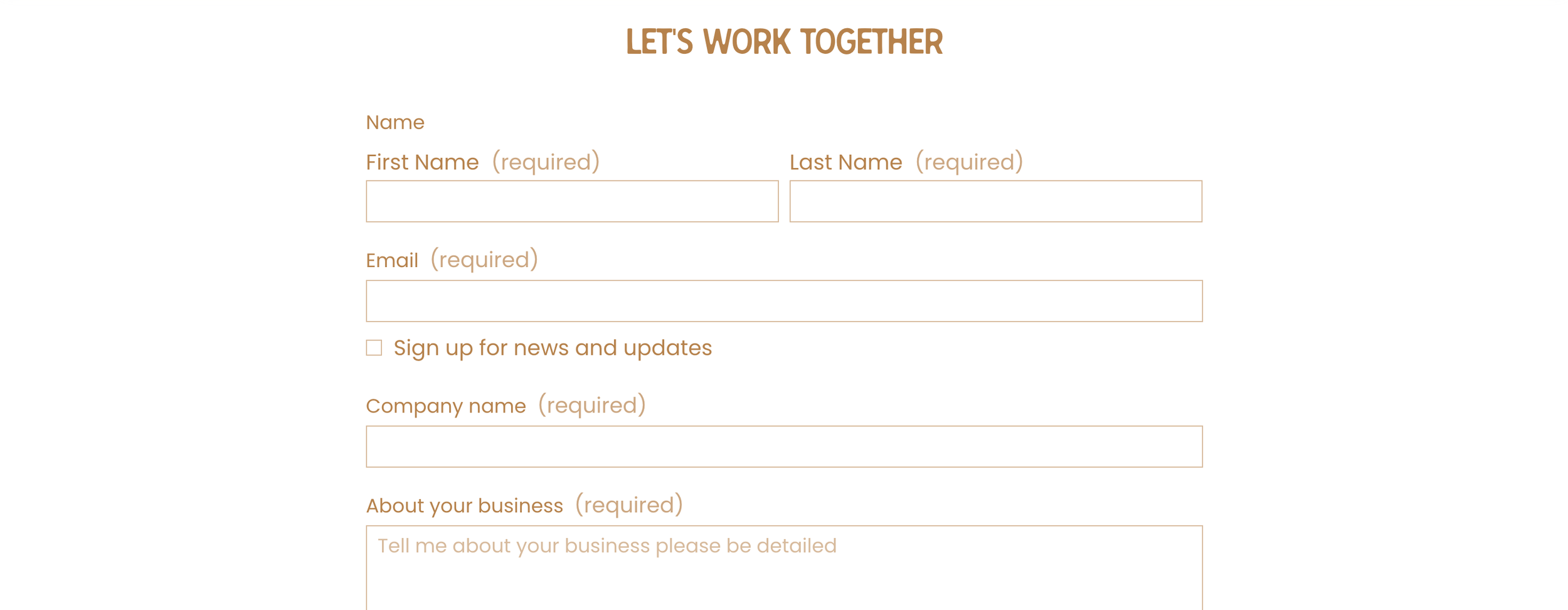
If you don't know what an inquiry form is, it's a form people fill out when they click on your website or link that allows them to fill out their information and what they're looking for. This is your chance to show your potential clients that you really care about their project. You want to ask them detailed questions like their name, business name, what they're looking to get done, etc. I'll show you guys mine so you know what to expect. The biggest thing you want to make sure of is having an easily accessible link. You're going to either have on on your website or you can use a third party app to create a form. You're then going to put this link in your instagram bio, linkedin bio, and anywhere else you deem fit. Yes people can simply message you on a social media platform to work with you, but we want to keep things clean and professional which means we're going to have all our potential clients contact us through a form. What this does is it also filters out the people who are not serious about working with you. All of my serious and professional projects have came through my clients filling out an inquiry form whereas alot of my more difficult clients came through a DM. The reason this works is because if people respect your process they'll be willing to do anything to work with you. You're creating a system and your clients are following that system. This is making it easy for you and for them because all their information is going to be in one place.
Where can you build a inquiry form?
There are so many ways to build a inquiry form, I would 100% suggest that you build it on your website because if people click on your inquiry form link it will direct them to your website which will help alot with your website traffic. The more people click on your website the more your website will rank up on google. Of course not everyone wants to use their own website, so if thats the case here a three of my top form suggestions.
→ Typeform
→ Tally
What questions should I ask?
The goal is for you to collect as much information as you can about your potential client because you're going to use the information to talk to them about what it is that they exactly need. Just a side note, alot of people will ask about a persons budget, I personally don't like to o this because I feel like having a conversation with the person first and showing them why they should invest in you is important. Sometimes your client may have a budget, but after you show them what their brand could potentially be you could convince them to work with you, but asking for a budget just seems like "hey if you're not willing to spend this much then don't work with me" not to mention some people also don't want to share their budget and this could turn them away from filling out the inquiry form as a whole. As promised here is a list of questions you should include in your inquiry form. I'm going to place them in short form, but you can turn it into a question on your inquiry form. Here are the basics.
→ First name
→ Last name
→ Business name
→ About your business
→ Online or storefront
→ New or established business
→ Services needed
Have a simple pricing guide or starting prices
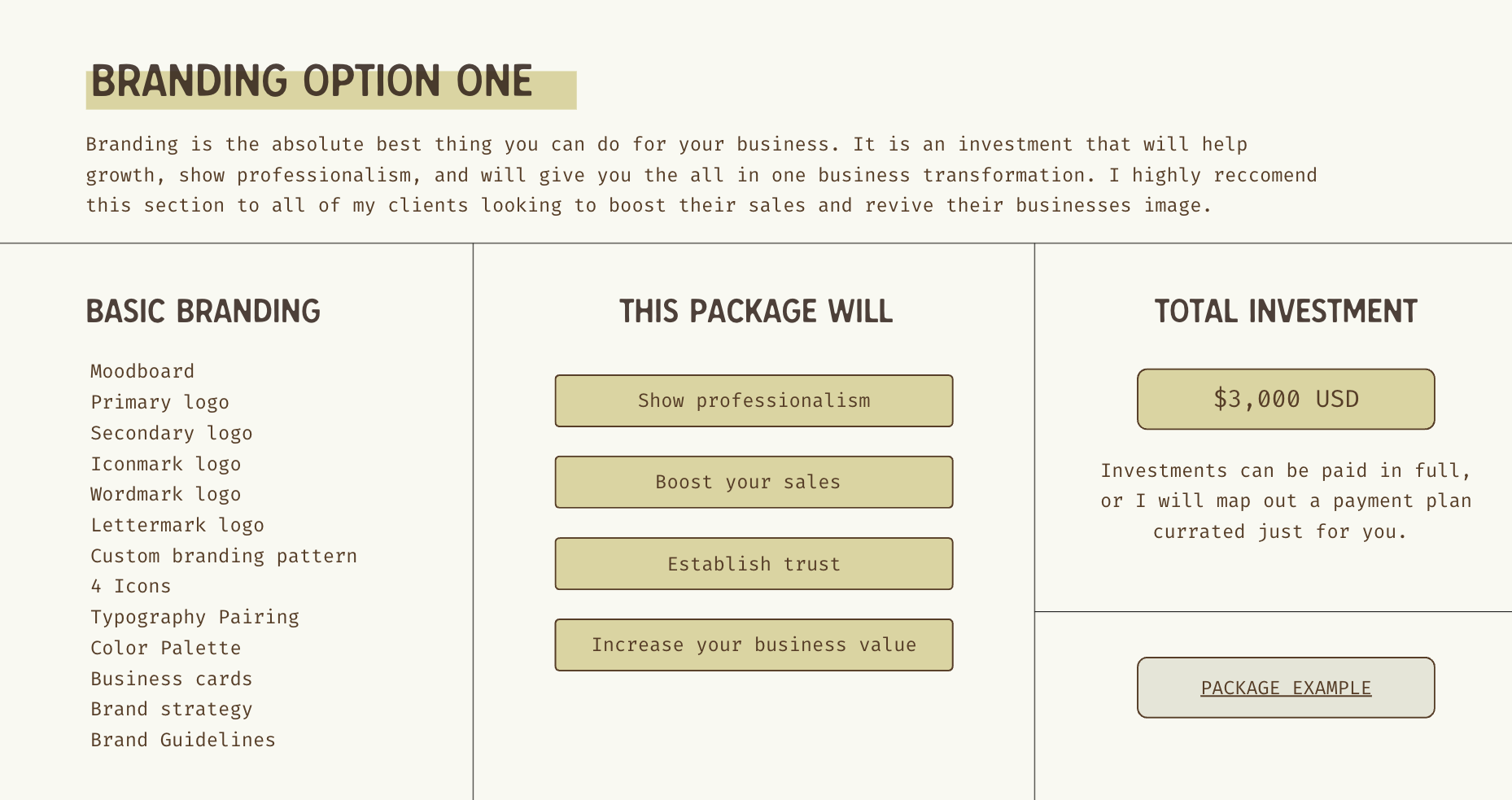
After your clients fill out your inquiry form your most likely going to receive an email with their answers. At this point in your process you're most likely going to go back and forth with the person who's trying to purchase your services. Alot of new designers make the mistake of just sending over a price and expecting someone to purchase from them. Your services aren't like amazon, where people already know what they want and are willing to buy it right then and there. You can't just throw a price on your services without an explanation. You want to make sure you have a detailed layout of your prices, what you offer, and an example of that offer. Here's an example
(Your offer) Basic branding package
→ Full logo suite
→ Typography pairing
→ Color palette
→ Icon pack
→ Imagery
→ Brand guidelines
(This is your explanation)
This basic branding package is perfect for business owners who are on a budget, but looking to get the basic essentials of branding. You'll get everything you need to start to make a good impression on your clients and boost your sales. (In this section you can add as much information as you want. Think of it as why they should buy this package. You want to add enough detail to real them in, but not too much detail to where you confuse them and bore them)
Next, you're going to add your price. This is where everything is going to be pulled in together. Alot of people will just plaster the price and call it a day, but instead of labeling this as price, you're going to label it as "investment" this is a physiological way of altering your clients brain chemistry to they understand that this is not just something that they're buying, but something that they are investing in. Aka something that is going to be beneficial to them long term, which it is. As designers we understand the importance of branding, but our clients don't. While we 100% understand how it can impact a business positively, they might understand it about 20% and this whole process is you trying to explain to them why it's so important.
So how are you going to put this pricing sheet together? The way that I've found effective is making a super clean PDF on Canva, adobe illustrator, or your preferred designed software . You want to make it a couple pages long and add your packages, examples of those packages, and any other information you feel is necessary. The goal with this PDF is to be able to answer any question your client might have. So before you put it together grab a notebook and a pencil and write down some questions you think they might have. Then when you're putting the PDF together you can answer these questions throughout your PDF. When you're designing your PDF make sure that you keep it simple, too much information will definitely overwhelm your client. The prompt I placed above has worked for me almost every single time. I've worked with many clients over the years and perfected my process and I find this works the best.
Reply quickly
I don't know about you guys, but my biggest pet peeve is when someone replies super super slow and as a business owner this is not something that you want to do. You could have a client who is willing to sign a contract today, but if you're replying slow I'm almost certain that they will decide not to work with you. Your clients want someone thats quick and caring, but again when you don't reply it just seems like you aren't interested. This is not only when it come to business, but building relationships too and while we all get busy, it takes two seconds to reply, so don't miss your opportunity because you didn't feel like replying. Of course there are times where you don't need to reply for example if you're off the clock.
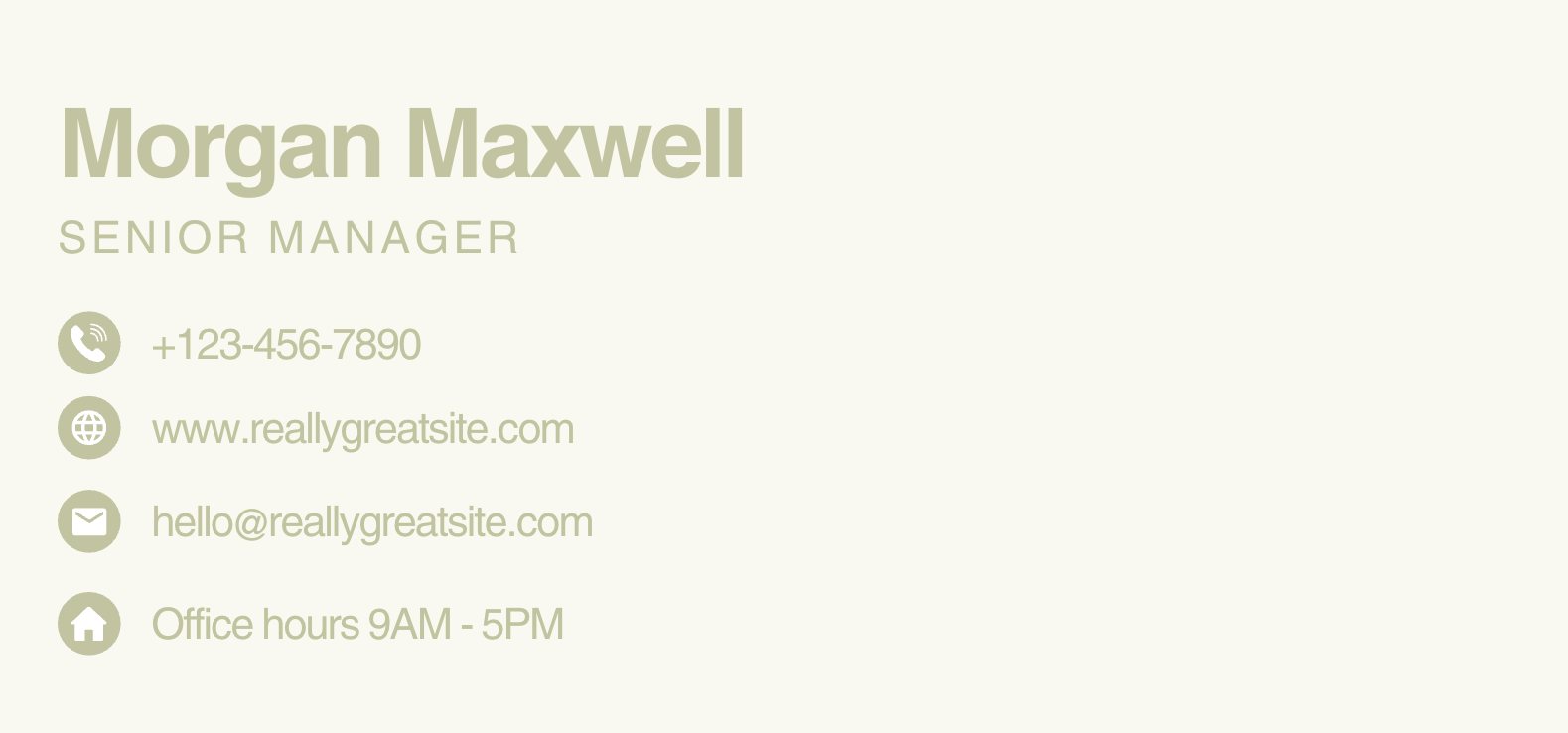
You can have set hours for yourself and reply to people from 9am-5pm but then have downtime for the rest of the day, but make sure that you're letting your clients know this. If you're communicating via email, which happens most of the time. I like to put my hours in my email signature, this way your client will reply faster and it creates a respectful boundary where they won't email you outside of your "office hours" I've attached an example below.
Make your process clear
If you don't have a process you will fail, yes a bit harsh, but it's true and I wish someone told me this when I first started my graphic designer career. You have to have your process planned from start to finish, but that doesn't mean that it has to be perfect. As you go on you'll realize what works for you and what doesn't work for you and you can add or take away as needed. I'm not going to make this section too long because we've already talked about the process a little bit, but just to help you guys how this is how it should look
→ Submit an inquiry form
→ Receive a response within 24 to 48 hours
→ Book a discovery call (if needed)
→ Pay the deposit
→ Receive a moodboard and creative direction
→ Design begins
→ Revision rounds
→ Final payment
→ Receive all final files and brand guidelines
Notice how simple this is, there's no guessing involved and it's straight to the point. Be upfront with your clients so they know exactly what to expect. Clients will be more willing to work with you if you're honest with them and don't sugar coat things. People aren't just buying branding from you, they're buying a entire experience, so make it worth it. When you stay at a 5 star hotel you expect a clean room, free breakfast, nice service. You should be keeping the same energy with your clients.
Never work without a contract
This is one of the biggest mistakes I see beginner graphic designers make. They're so excited that someone finally wants to hire them that they'll jump straight into designing without any sort of agreement. I completely understand the excitement, but this is one of those things you need to get right from the very beginning. If you work without a contract you're basically signing yourself up for a disaster. With a contract you're protecting yourself and your client. It sets clear expectations before the project starts and it helps your client feel a little bit more comfortable working with you because they know they're protected. Let's also ignore the fact that having a contract makes you look extremely professional and makes your client realize that you're really about business. A contract won't stop every difficult situation, but it gives you something to refer back to if misunderstandings happen. Instead of arguing over what was or wasn't promised, you can simply point to the agreement that both of you signed.
Don't know what to include in your contract? I got you.
→ Clients name
→ Date
→ Services included
→ Deliverables (what you're going to provide)
→ Timeline
→ Price
→ Payment plans / payment schedule
→ Revision count
→ Client cancelation fees
→ Communication clause
→ Refund policy
→ You own the work until final payment is received.
→ After full payment, ownership of the approved final designs transfers to the client.
→ You retain the right to display the work in your portfolio and on social media unless otherwise agreed.
My biggest recommendations
If I could only choose five clauses to never leave out, they'd be these:
→ Non refundable deposit
→ Clear scope of work
→ Limited revisions
→ Ownership transfers only after final payment
→ Project abandonment clause
Those five alone will save you from most of the problems freelancers run into. Everything else adds additional clarity and professionalism.
Where can you build your contract?
My biggest suggestion is for you to find a application that you're going to use consistently. Something that allows you to send invoices, have your clients sign contracts, and save project details. Having everything in one place is going to help your process stay clean and organized. For your sake and your clients sake. Last thing you want to do is switch through a million apps to find your clients information. Here are some platforms I recommend
→ Dubsado
→ Square (what I personally use this)
Preparing your invoices
Now that you have your contract ready, you're going to want to prepare your first invoice for your client. If you don't know what an invoice is, it's simply a document that tells your client exactly what they're paying for and how much they owe. Think of it as the official payment request for your project.
Just like your contract, your invoice should be clear and professional. You never want your client wondering what they're paying for or when payment is due. The easier you make the payment process, the more professional your business feels.
If you're charging a deposit, make that clear on the invoice as well. For example, if your branding package costs $2,000 and you require a 50% deposit, your first invoice should only request the $1,000 deposit. Once the project is complete, you can send a second invoice for the remaining balance.
Offering payment plans, if you want to
I personally offer payment plans to all of my clients because let's be honest not everyone has 1-10k up front and I know you might be thinking "well if they don't have the money then they don't need to be working with me" but theres alot that we over look. What if this person is struggling with other business costs, but they know branding is important so they want to invest but don't have the money upfront. What if this person wants to pay as they go because they had bad experiences with other designers. What if this person is starting their business to support their family, but they don't have all the money upfront.
Even though this is a transaction, we're all human and we all struggle. A little bit of empathy goes a long way. Offering a payment plan can make your services much more accessible without lowering your prices. The important thing is to remember that a payment plan is not a discount. Your client is still paying the full amount. You're simply allowing them to spread the payments out over time.
Whatever payment schedule you choose, make sure it's clearly outlined in both your contract and your invoice so there isn't any confusion later on. One thing I highly recommend is never delivering the final files until the final payment has been received. It might feel awkward at first, especially if you've built a great relationship with your client, but this is a standard business practice. Once those files are delivered, it's much harder to recover unpaid balances.
Payment plans should make life easier for both you and your client, not create additional stress. Before offering one, think about what you're comfortable managing. If a three month payment plan feels manageable for your business, great. If you'd rather keep it simple with a 50/50 payment schedule, that's perfectly okay too. If you want to use invoice platforms you can take a look at the platforms I listed above under the contracts section. Those platforms also allow you to write invoices.
Payment plans you could offer
→ Bi-weekly payment plans
→ Weekly payment plans
→ Monthly payment plans
→ 50/50 payment plan
→ Milestone payments
05/ Stop waiting for clients to magically appear
I always get messages of people saying "Hey I've done everything, but I'm still not getting clients" and it's because people think clients are just going to fall into their lap. A portfolio, good social media, and contract don't automatically translate to clients. Yes, you still have to do so much more. Your first clients usually don't come from a post that suddenly goes viral. They come from people who have seen your name enough times to remember you.
People always ask me what the "secret" is to getting clients, and honestly, there isn't one. Most of the clients I've worked with didn't hire me because one post randomly landed on their explore page. They hired me because they had seen me before. Maybe they watched a few of my videos. Maybe they followed me months ago. Maybe we had a conversation in the comments. Maybe they saw someone else share my work. By the time they needed a graphic designer, my name was already in their head and this is the case with alot of designers. Doesn't matter how many followers you have, doesn't matter how famous you are. If you're not interacting with people, you're not going to get clients. I've seen people with 50 followers pull more clients than people with 200K followers and its all because they consistently keep up with others.
One thing you'll notice about successful freelancers is that they're present. They're showing up, they're talking to people, they're supporting other businesses, and they're putting themselves in places where their future clients already are. That doesn't mean you need to spend eight hours a day glued to your phone. It just means you need to stop treating social media like a billboard and start treating it like a conversation.
Here are a few simple ways you can become more recognizable.
→ Reach out to people you've already met. Maybe it's someone from school, an old coworker, or someone you've spoken to online before. You don't have to message them asking for work. Just reconnect with them. Catch up. Let them know what you've been working on.
→ Tell your friends and family what you do. I know this sounds obvious, but you'd be surprised how many people never actually tell the people around them that they've started a graphic design business. You never know who knows someone that's looking for a designer.
→ Reply to business owners' stories. Not every message needs to be about work. If a local coffee shop posts a new drink and it looks good, tell them it looks good. If a small business shares exciting news, congratulate them. These little interactions build familiarity over time.
→ Leave thoughtful comments on local businesses' posts. Don't comment "Nice!" and move on. Actually contribute to the conversation. People notice genuine support, especially small business owners.
→ Join Facebook groups for entrepreneurs and local business owners. There are thousands of people in these groups asking for recommendations every single day. Even if no one is looking for a designer right now, introducing yourself and being active helps people remember your name when they eventually are.
Notice that none of these things involve trying to sell yourself. Your goal isn't to convince every person you meet to become your client. Your goal is simply to become someone they remember. I think a lot of beginner designers hear the word "networking" and immediately picture awkward conversations where everyone is trying to hand out business cards and pitch themselves. That's not what I'm talking about. The funny thing is, the less you focus on selling yourself and the more you focus on building real relationships, the more people naturally become interested in what you do. At the end of the day, people don't hire the graphic designer they've never heard of. They hire the one they've seen enough times to think, "Oh yeah... I know exactly who I want to work with."
You must build trust
A lot of beginner designers make the mistake of turning their social media into nothing but a portfolio. Every single post is another logo, another brand identity, another mockup. While your work is important, your future clients also want to know who they're going to be working with. Remember, this isn't like buying a product from a huge company. Most of the time your clients will be working with you one on one for weeks, sometimes even months. They're investing in you just as much as they're investing in your work. Now, this doesn't mean you have to share your entire life online. If you're someone who values your privacy, that's completely okay. You get to decide what you're comfortable sharing. Building trust doesn't mean putting every detail of your life on the internet.
One thing I've noticed over the years is that people don't remember every logo you post. They remember how you made them feel. They remember your personality, your values, and the little details that make you different from every other graphic designer on their feed. Your goal isn't to become a lifestyle influencer. Your goal is simply to remind people that there's a real human being creating the work they're looking at. Think about your own life. If you were looking for someone to renovate your house, photograph your wedding, or design your logo, would you hire the first person you came across? Probably not. You'd look through their work, read their reviews, see how they communicate, and try to figure out if they're someone you actually feel comfortable working with.
You'll hear over and over again is that you need to show your face if you want people to trust you. While that can absolutely help, I don't think it's true. I've built my business without showing my face, and if there's one thing I've learned, it's that people don't necessarily need to see your face. They need to know there's a real person behind the business. Think about it this way. If you came across two graphic designers and one of them only posted finished logos while the other shared bits of their creative process, their workspace, their favorite coffee shop, and little moments throughout their day, which one would you feel more connected to? Now, this doesn't mean you have to share your entire life online.
You could share things like
→ Your morning coffee before starting work
→ Your workspace or desk setup
→ Your sketchbook or design process
→ Behind the scenes of a client project
→ Your favorite books or design resources
→ A walk you took after finishing a project
→ Your creative routine
→ Your favorite local coffee shop
→ Small wins you're celebrating
These little glimpses into your day help people connect with the person behind the screen without feeling like you've sacrificed your privacy. If you're someone who values your privacy, that's completely okay. You get to decide what you're comfortable sharing. Building trust doesn't mean putting every detail of your life on the internet.
06/ Your first clients probably won't be your dream clients
I LOVE talking about this because nobody says it. When you first start your design career everyone things that you're only going to work with dream clients, but unfortunately this isn't the case. Of course you get to choose who you work with, but not everyone you work with is going to have the same vision as you. This is not a negative thing, it just means it might be a little harder for you. Maybe it's something out of your comfort zone, but thats okay because it will teach you how to maneuver different projects, different styles, which ultimately will make you a better designer because you'll have range.
If a project goes against your values or simply isn't something you're comfortable taking on, you should absolutely say no. But if you're just starting out, there's a good chance that not every client who reaches out is going to have the same vision or style as you. One thing I've learned over the years is that being a great designer doesn't mean you can only create one style really well. It means you understand design well enough to adapt while still producing thoughtful, high quality work.
Don't turn down every project
One of the biggest mistakes I see beginner designers make is turning down every opportunity that doesn't perfectly match the portfolio they've imagined for themselves. While I completely understand wanting to attract a specific type of client, sometimes you have to gain experience before you can become more selective. The work you create in your first year probably won't look anything like the work you create three or four years from now. That's not because you weren't talented in the beginning. It's because every client, every challenge, and every project helped shape you into a stronger designer.
Don't put so much pressure on yourself to have everything figured out from day one. Allow yourself to experiment. Allow yourself to learn. Allow yourself to be uncomfortable every once in a while. Those moments are usually the ones that teach you the most. Now, I do want to make one thing clear. I'm not saying you should accept every single project that comes your way. There will always be projects that aren't a good fit, whether it's because of unrealistic expectations, poor communication, or simply because the work doesn't align with your values. Learning when to say no is just as important as learning when to say yes. What I am saying is don't let the idea of finding your "perfect client" stop you from gaining experience. Some of the most valuable lessons you'll learn as a designer won't come from your dream clients. They'll come from the projects that challenged you, pushed you outside of your comfort zone, and forced you to think differently. Those are often the projects that quietly shape your career, even if you don't realize it at the time. Because at the end of the day, clients aren't just paying for your creativity. They're paying for your ability to solve problems. And the more problems you solve, the better designer you'll become.
Stay true to your values, people respect this
As your business starts to grow, you're going to be presented with opportunities that seem exciting. Bigger clients. More money. Bigger projects. It can be really tempting to say yes to everything, especially when you're first starting out. But one of the biggest lessons I've learned is that not every opportunity is meant for you. When I first started my business, I thought success meant taking every project that came my way. If someone wanted to hire me, I felt like I had to say yes because I didn't know when the next opportunity would come. Over time, I realized that building a successful business isn't about saying yes to everything. It's about building a business that reflects who you are.
I think there's this idea that if you stand by your values, you'll lose clients (I thought this, until I applied it) While that might happen from time to time, I've actually found the opposite to be true. The more honest you are about who you are and what you stand for, the more you'll attract people who genuinely appreciate those things. One thing I've learned is that boundaries don't push away the right clients. They attract them. The clients who respect your process will appreciate that you have one. The clients who respect your time won't expect you to reply at midnight. The clients who value your creativity won't ask you to copy another designer's work. You'll also find that standing by your values builds trust. People want to know what they're investing in.
What you display is what you attract
Whether you realize it or not, every decision you make is shaping the type of clients you'll eventually attract. The way you communicate, the way you treat people, the work you share, and even the projects you choose to accept are all telling people what your business stands for. If you're honest, kind, patient, and intentional with the way you run your business, you'll naturally attract clients who appreciate those same qualities. They'll respect your process because they understand the value of thoughtful work. They'll trust your recommendations because you've consistently shown integrity. They'll be more enjoyable to work with because you're both on the same page from the very beginning.
On the other hand, if you constantly ignore your own values just to make another sale, you'll likely attract clients who expect you to continue doing exactly that. If you answer emails at midnight, they'll expect midnight replies. If you rush projects to make everyone happy, they'll expect every project to be rushed. If you keep saying yes when you really want to say no, people will assume that's your standard. The way you run your business today becomes the expectation for tomorrow. That's why I believe your dream clients aren't found overnight. They're built over time.
And in my opinion, that's what a dream client really is. It's not necessarily the biggest budget or the most well known company. It's someone who trusts your process, respects your time, values your creativity, and allows you to do your best work. Those kinds of clients don't happen by accident. You attract them by consistently being yourself and building a business that reflects the values you want to be known for. So it's a process, just take your time and be true to yourself. You don't need to change for anyone, not the trends on social media, not for your friends, not because you want to look cool. If you're changing it should always be for the better not for the worst.
07/ Maybe it's cliche, but stay consistent.
If you've spent any amount of time on social media, you've probably heard someone say, "Just stay consistent." At this point it almost feels like every business coach and content creator has said it at least once. As cliché as it sounds, they're right. Consistency isn't about posting every single day or chasing the algorithm. It's about becoming someone people remember. Consistency isn't as hard as people make it out to be, yes somedays you'll be lazy, this happens to everyone, but for the most part you want to try your best. For example if you're finding it difficult to make instagram posts, instead post on your story and let people know "hey I'm still here"
Be active on social media
You don't have to post every day, and you definitely don't have to force yourself to keep up with every trend that pops up online. What matters is that people know you're still creating. The more consistently you share your work, your process, your thoughts, and your journey, the more familiar your name becomes. Every post is another opportunity for someone to discover you or remember why they followed you in the first place. People are always watching, even when it doesn't feel like it. You might think a post didn't do well because it only got a handful of likes, but that same post could be the reason someone reaches out to you months later. Not everyone interacts with your content, but that doesn't mean they aren't paying attention.
Keep in touch with your new and old clients
One of the biggest mistakes I see freelancers make is treating the end of a project like the end of a relationship. Just because you've delivered the final files doesn't mean the connection has to end there. Check in with your clients every once in a while. Ask them how the new branding is working for them. Congratulate them when they launch their business or release a new product. Celebrate their wins. Share their posts. Leave a thoughtful comment. These things might seem small, but they leave a lasting impression. People remember how you made them feel long after they forget the details of the project itself. When your clients feel supported even after they've paid you, they're much more likely to come back when they need more design work. Even better, they're much more likely to recommend you to someone else. One satisfied client can easily turn into two or three more simply because you stayed in touch.
It's okay to take breaks, but don't disappear
I also want to be realistic for a second. Life happens. Sometimes you'll get overwhelmed with client work. Sometimes you'll be traveling. Sometimes you'll simply feel burnt out and need a break from social media. Take the break. There is absolutely nothing wrong with stepping away when you need to. In fact, taking care of yourself will almost always lead to better work in the long run. The important part is that you don't disappear completely. If you're taking a week or two off, let people know. Share a quick story saying you're recharging or focusing on client work. Then, when you're ready, come back and continue where you left off. Don't fall into the mindset of thinking, "I've been gone for two months, now I have to make the perfect comeback post." You don't. Just start posting again. Your audience isn't expecting perfection. They're simply happy to see you creating again. We've all been there, we all know how it is.
08/ Build a community through an email list. Community members turn into clients.
What's an email list?
I'm sure many of you have purchased something on the Internet whether it's a piece of clothing or a digital product. Well if you have you most likely submitted your email to purchase that item. That right there is a company trying to build their email list. An email list is basically a digital phone book. It's a list of names, emails, and sometimes phone numbers. It's a way to contact people, send them updates, promote your new product, and a bunch of other good stuff.
Why it’s important
Building an email list is something every single business owner should be doing. We have platforms like instagram, facebook, and tiktok where we can build our follower count, but the thing is you don't actually own your follower list. That means if something happens to your social media platform say you got hacked or the social media platforms are down, you'll have no way of actually getting those contacts back and you'll have to rebuild your entire follower count. BUT when you build an email list this makes sure that you keep those contacts forever and you acutally OWN them. It's not only a way to notify your customers, but pull in sales as well. You'd be suprised how many people will purchase your product just from you sending an email and I'm going to show you just exactly how you can do that. Building an email list also shows professionalism as you get older you'll see that a lot of people are using their email more and more. You don't want to just keep contacting people through social media and through DM's because it can get kind of tacky and unprofessional. So even if you're not ready to build an email list now I would highly suggest learning about it because it's a really going to help you build connections and sell products.
Choosing an email service
Before we get into the actual process of building an email list we need a place where we can store all of our contacts. These platforms are going to be where you're going to go to send out emails, track how many people opened your email, create communication, and send out your campaigns.
Basically, it’s a platform that helps you
→ Collect people’s emails
→ Send them emails (manually or automatically)
→ Track who opened, clicked, unsubscribed, etc.
→ Keep your list organized all in one place
→ Help you sell your products & services
Why you need one for your business
If you’re planning to build your list through Instagram or your website, this is the tool that connects everything behind the scenes. Let’s say you post “Hey! Download my free guide!” and someone clicks the link…How are they actually going to get it?How will you know they downloaded it? How will they get the next email? Your sender service does all of that for you. There are a lot of different options to choose from but I'm going to show you the most popular ones. Now keep in mind some of these are not free, but will definitely be worth the cost. Think of it like your own little control panel. Once someone gives you their email, your sender service is what makes sure they’re added to your list and sent the right stuff at the right time.
Chosing a good newsletter platform
📩 Mailchimp (Beginners & Eccommerce)
MailChimp is free up to 500 contacts, but as your email list grows so does the price but it is a great beginner friendly platform and easy to maneuver.
📩 Beehiiv (Newsletters and bloggers)
Beehiiv has such a beautiful design and a simple setup it also has built-in monetization tools which can really help you build your platform. It's perfect for people who like to write, blog, and have a good newsletter. Some parts of the platform are free but again as your email list grows so does the price. This is one of my personal favorites.
📩 Kit (Creators and coaches)
Kit is a great platform for people who are selling digital products it has a simple interface but it's not as flexible for custom layouts.
📩 Klaviyo (Ecommerce brands)
This platform is great for people who use Shopify and have a lot of online products but it is a little bit more advanced and you will probably have to learn how to maneuver the platform. If you're willing to learn this is great for you.
09/ Extra goodies that will help you get and keep clients
By this point, you've probably realized that getting clients isn't about one magical trick. It's a combination of a lot of small things working together. Some things help people discover you, some things help people trust you, and others make people want to come back again and again. These next few tips aren't necessarily required to start your business, but they're the little details that elevate the experience your clients have with you. Sometimes it's those small touches that people remember the most.
Having a website
A website isn't something you need before you book your very first client, so don't feel pressured to spend months building the "perfect" one before you even start your business. Your social media portfolio is more than enough to get started. With that being said, once you begin growing your business, having a website can make a huge difference. Think about it from your client's perspective. If someone hears about you through a friend or comes across your Instagram, what's the next thing they're probably going to do? They're going to look you up. A website gives them one place where they can learn everything they need to know without having to search through months of Instagram posts. Your website can include your services, pricing starting points, portfolio, frequently asked questions, testimonials, inquiry form, and information about who you are. Instead of answering the same questions over and over again, you can simply direct potential clients to your website where everything is already organized. It also creates confidence.
Whether we like it or not, people naturally associate a professional website with a professional business. It shows that you've invested time into your business and that you're serious about what you do. It doesn't have to be overly complicated either. A clean website with a few well organized pages will almost always outperform a flashy website that's difficult to navigate. Remember, your website isn't there to impress people with fancy animations or complicated layouts. Its job is to answer questions, build confidence, and make it as easy as possible for someone to become your next client.
Ask for client reviews
If I could give one piece of advice to every new freelancer, it would be to start collecting testimonials from the very beginning. Social proof is incredibly powerful. Imagine you're trying to decide between two graphic designers. Their work is equally good, their prices are similar, but one designer has ten happy clients talking about their experience while the other has none. Who would you feel more comfortable hiring? Most people would choose the first one. Reviews help answer questions your portfolio can't. Your work can show that you're talented, but your clients can tell people what it was actually like to work with you. Were you easy to communicate with? Did you meet deadlines? Did you make the process enjoyable? Those are things future clients genuinely want to know before investing their money. Once a project is finished, don't be afraid to ask for feedback. Most clients are more than happy to leave a review if they've had a positive experience. You can make it even easier by asking a few simple questions like what they enjoyed most about working together, how the branding has helped their business, or whether they'd recommend your services to others. As your collection of testimonials grows, don't let them sit in a folder on your computer. Share them. Add them to your website, your social media, your inquiry guide, or your portfolio. Let future clients hear directly from the people you've already helped. Sometimes a client's words can build more trust than anything you could ever say about yourself. Btw I like using google reviews to collect my client reviews, this also helps locals find your business so make sure you register your business on google.
Give your clients something extra
One of the easiest ways to become memorable is to surprise your clients with something they weren't expecting. It doesn't have to be expensive. It doesn't have to take hours to create. It simply has to show that you genuinely care. Maybe you design a few complimentary social media graphics using their new branding. Maybe you include a desktop wallpaper with their logo. Maybe you send them a small sticker featuring their new brand mark. Maybe you create an Instagram announcement post so they can proudly introduce their new branding to the world. Even something as simple as a beautifully organized brand guideline or a thoughtful thank you note can leave a lasting impression. These aren't things your clients are paying for. They're things they'll remember you for. People love feeling like they've received more than they expected. That extra bit of effort often becomes the thing they tell other people about. "My designer even created announcement graphics for my launch." or "The entire experience felt so thoughtful from beginning to end." Those are the kinds of conversations that naturally lead to referrals. The goal isn't to spend money on extravagant gifts or constantly add free work to every project. You should always be mindful of your own time and boundaries. Instead, think about small additions that complement the service you've already provided. Little touches like these can make the entire experience feel more personal without adding hours of extra work to your process. People might forget exactly how many concepts you presented or how many revision rounds they had, but they'll almost always remember how you made them feel throughout the project. That's what keeps clients coming back.
Resources that might help you
If you're serious about building your graphic design business, here are a few tools and resources that I've personally found helpful. You don't need every single one to get started, but as your business grows, these can help you stay organized, look more professional, and create a better experience for your clients.
My personal templates
→ Full graphic design workflow bundle
Websites & Portfolio
→ Behance https://www.behance.net
→ Adobe Portfolio https://portfolio.adobe.com
→ Squarespace https://www.squarespace.com
→ Webflow https://webflow.com
→ WordPress https://wordpress.org
Contracts & Client Management
→ HoneyBook https://www.honeybook.com
→ Dubsado https://www.dubsado.com
→ Bonsai https://www.hellobonsai.com
→ Bloom https://www.bloom.io
→ Studio Ninja https://www.studioninja.co
Invoices & Payments
→ Stripe https://stripe.com
→ Wave https://www.waveapps.com
→ PayPal https://www.paypal.com
Electronic Signatures
→ DocuSign https://www.docusign.com
→ Dropbox Sign https://sign.dropbox.com
→ Jotform Sign https://www.jotform.com/sign
Design Inspiration
→ Pinterest https://www.pinterest.com
→ Behance https://www.behance.net
→ Dribbble https://dribbble.com
→ Awwwards https://www.awwwards.com
→ Land-book https://land-book.com
→ Mobbin (UI Inspiration) https://mobbin.com
Free Design Resources
→ Unsplash https://unsplash.com
→ Pexels https://www.pexels.com
→ Freepik https://www.freepik.com
→ Icons8 https://icons8.com
→ Google Fonts https://fonts.google.com
→ Fontshare https://www.fontshare.com
→ Adobe Color https://color.adobe.com
→ Coolors https://coolors.co
Mockups
→ Mockup World https://www.mockupworld.co
→ LS Graphics https://www.ls.graphics
→ Anthony Boyd Graphics https://www.anthonyboyd.graphics
→ Envato Elements https://elements.envato.com
Learning Graphic Design
→ Adobe Tutorials https://helpx.adobe.com/learn.html
→ Skillshare https://www.skillshare.com
→ Domestika https://www.domestika.org
→ Coursera https://www.coursera.org
→ YouTube https://www.youtube.com